¿Cómo suena el llanto de una serpiente?
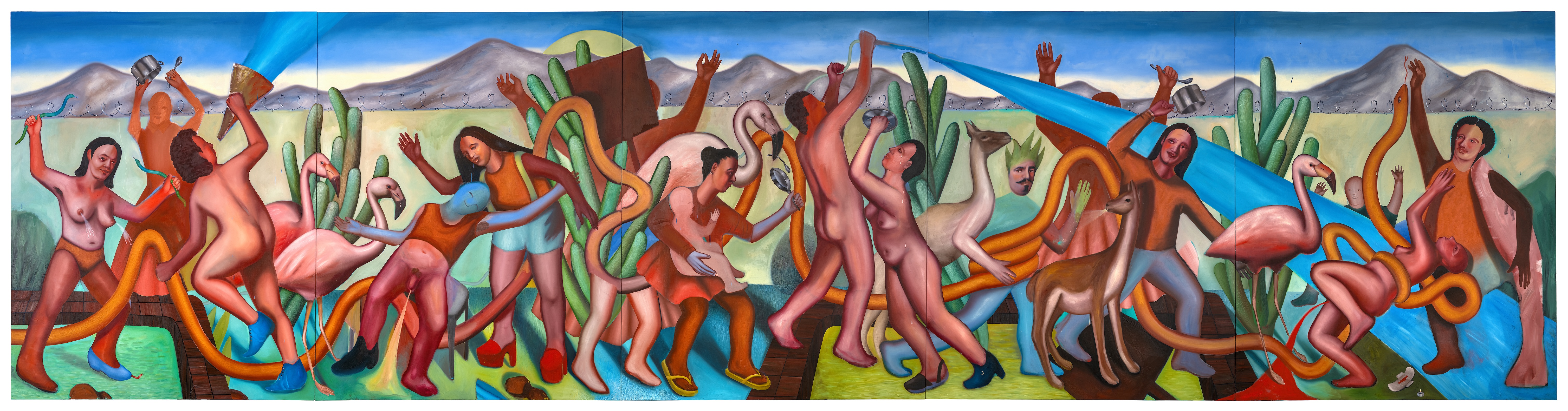
¿Cómo suena el llanto de una serpiente? emerged from a concern rooted in the distance between the ecological discourses of the Global North and the extractivist realities that shape the territories of the Global South. As a Peruvian-Chilean artist currently living in Berlin, I often hear people speak of “green revolutions,” such as the transition to electric cars, which promise a sustainable future. Yet in the North, there is rarely any questioning of where the minerals that enable this energy transition come from, or which ecosystems are being sacrificed to sustain it. This violent omission becomes evident when I think of northern Chile and the wounds that extractivism, particularly copper and lithium mining, has opened in Atacama. My research process, journeys to the territory and the friendships I found there confronted me with this dual condition: a land of incredible beauty, rich in tremendously resilient flora and fauna, a place of a profound connection with the cosmos and of vast ancestral knowledge; but also a territory under strain, deeply intervened and marked by an exploitation that its communities know firsthand.
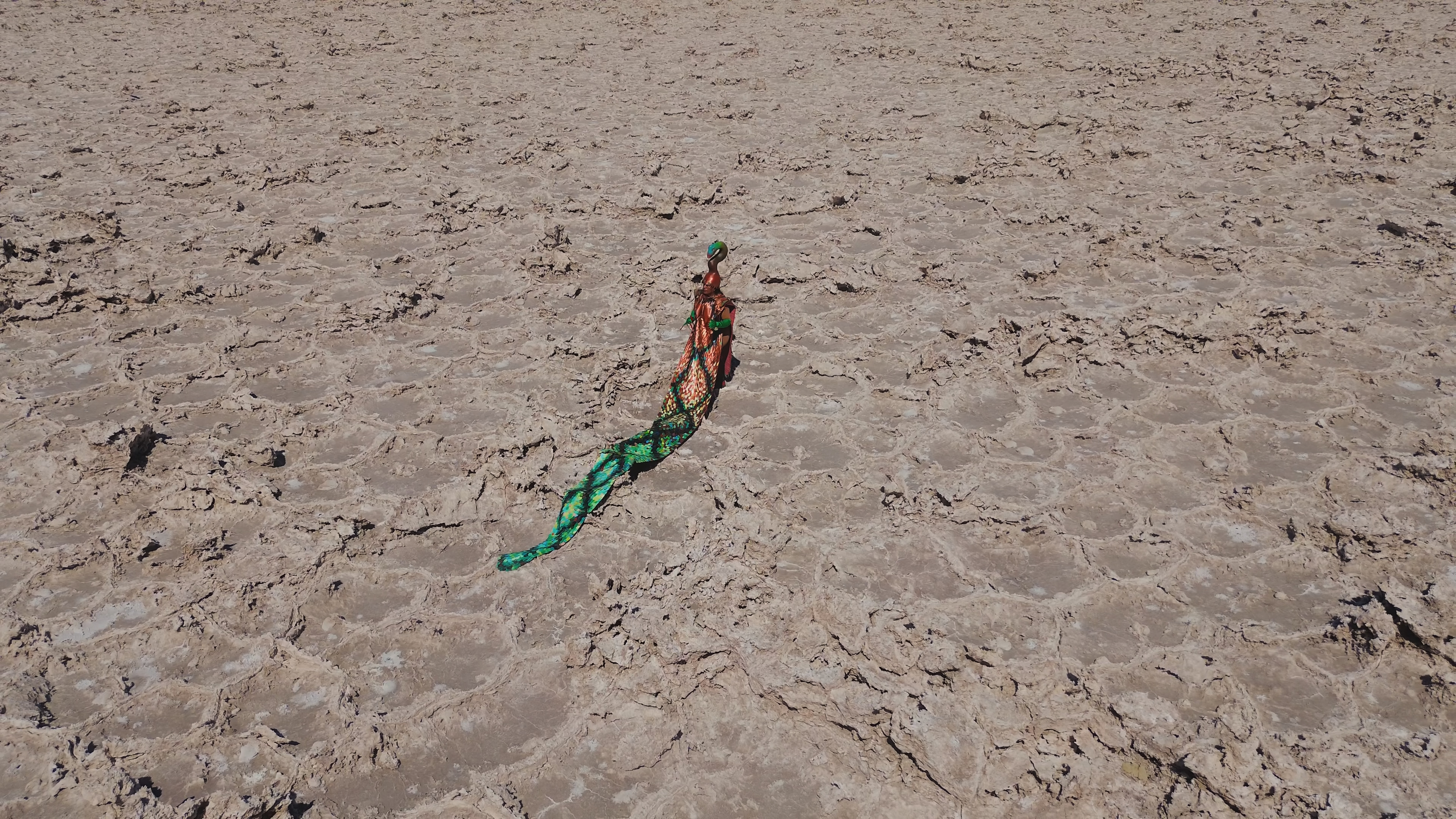
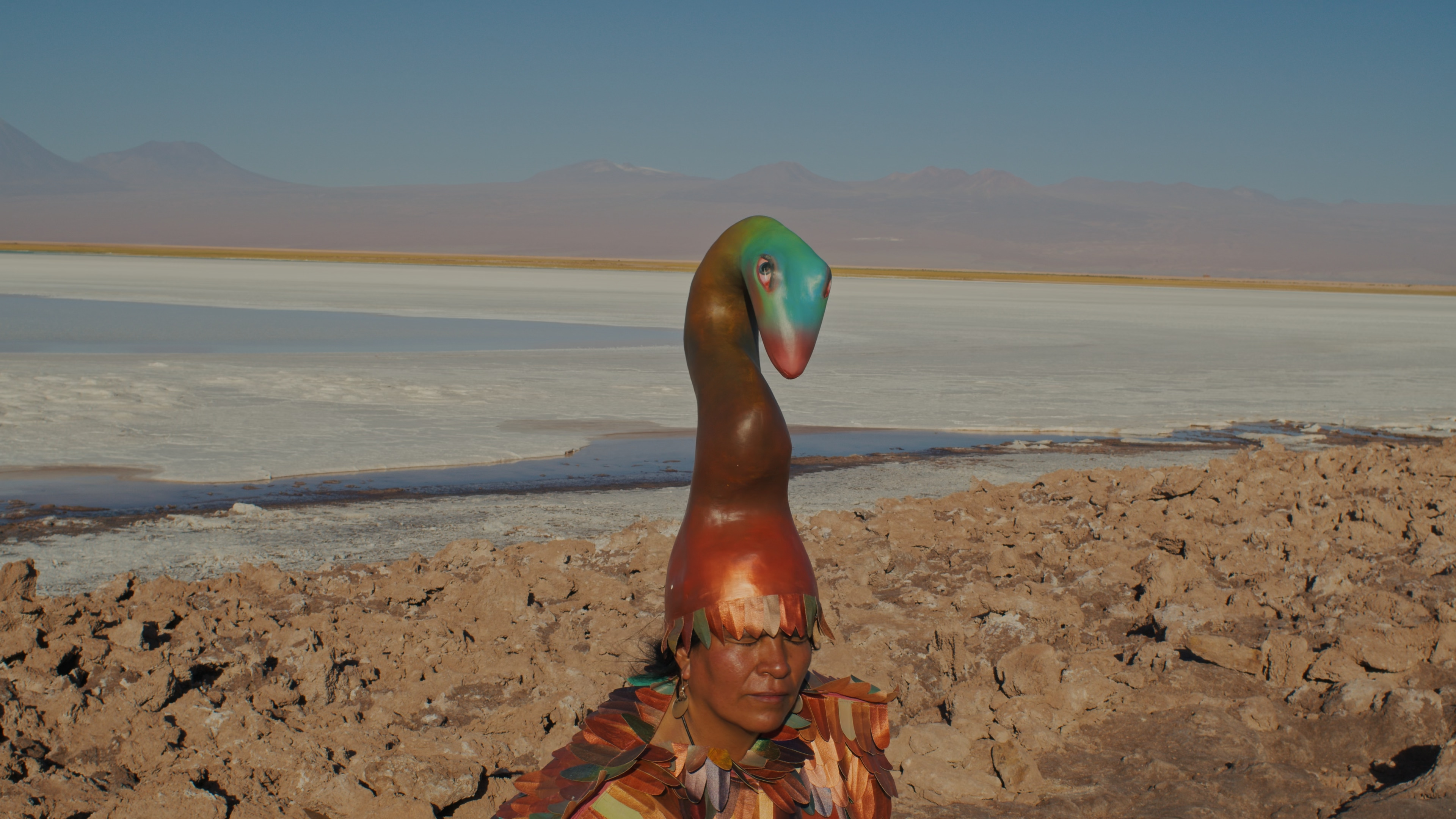
The fragility of the ecosystems and the knowledge that sustains them made me wonder if it is possible to narrate this coexistence between the beautiful and the wounded. In this search, a figure emerged that brings together the ancestral, the scientific, and the fictional: the serpent. I arrived at it after bringing together many impulses that converged from different places, such as learning about a study by Chinese scientists exploring the ability of snakes to anticipate earthquakes. Up to five days before seismic movements become perceptible to humans, they leave their nests in a state of agitation. It was then that I began to wonder whether, from a speculative space, we could imagine the serpent not only as a messenger of natural disasters, but also as a prophet of catastrophes caused by human hands. As guardian of the water, it will be precisely the serpent who warns us, through her song, of the tragedy that awaits us if we do not listen carefully to what the territory has been telling us for a long time.
The film and the entire body of work are constructed as a dialogue or chorus, between this mythological figure and other singers of the desert, such as the wind, sand, salt, water, lithium and seismic movements. In this way, ¿Cómo suena el llanto de una serpiente? seeks to confront and move us at the same time, in order to activate a more attentive listening and remind us of the urgency of caring for life and for the gifts that the earth, with such generosity, still offers us.